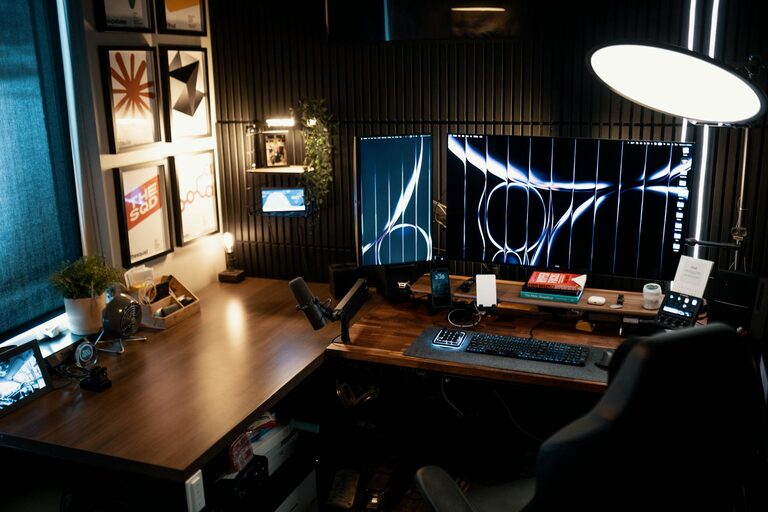

Creating a productive home office environment is essential for anyone working remotely or running a business from their living space. A well-designed workspace helps you stay focused, organized, and motivated throughout the day. Whether you have a dedicated room or a corner in your home, these simple tips can help you build a home office that supports your productivity and well-being.
Choose the Right Location
The first step in setting up a productive home office is selecting the right spot. Ideally, your workspace should be:
– Quiet and free from distractions: Choose a space away from high traffic areas or noisy parts of your home.
– Well-lit: Natural light boosts mood and helps reduce eye strain. If natural light isn’t an option, invest in good-quality artificial lighting.
– Comfortable and spacious enough: Ensure there is sufficient room for your desk, chair, and any necessary equipment.
If space is limited, consider using room dividers or noise-canceling headphones to create a more separate and focused zone.
Invest in an Ergonomic Chair and Desk
Comfort is key when working long hours at your desk. An ergonomic chair supports good posture, reduces back pain, and helps prevent fatigue. When choosing a chair:
– Look for adjustable height and lumbar support.
– Ensure your feet can rest flat on the floor while sitting.
– Keep your knees at or slightly below hip level.
Pair your chair with a desk at a comfortable height that allows your forearms to rest parallel to the floor when typing or writing. Adjustable desks that allow for sitting and standing are a great option for varying your position throughout the day.
Organize Your Workspace for Efficiency
A cluttered desk can lead to a cluttered mind. Keeping your workspace clean and organized makes it easier to focus and find what you need. Try these tips:
– Use drawer organizers or desktop trays to separate items.
– Keep only essential tools and documents on your desk.
– Store cables and chargers neatly with clips or ties.
– Create designated spaces for supplies like pens, notebooks, and office gadgets.
Adopting a “clean desk” habit at the end of each day helps start the next day fresh and focused.
Optimize Technology and Connectivity
Reliable technology is a foundation for efficiency in a home office. To minimize interruptions:
– Ensure a strong internet connection to avoid slow downloads or video calls dropping.
– Use a quality headset or microphone for clear communication.
– Keep your computer and software updated for optimal performance.
– Back up your work regularly using cloud storage or external drives.
Setting up shortcuts and automation tools can also save time on repetitive tasks.
Personalize Your Space to Boost Motivation
Adding personal touches to your office can make it a more pleasant place to work. Consider:
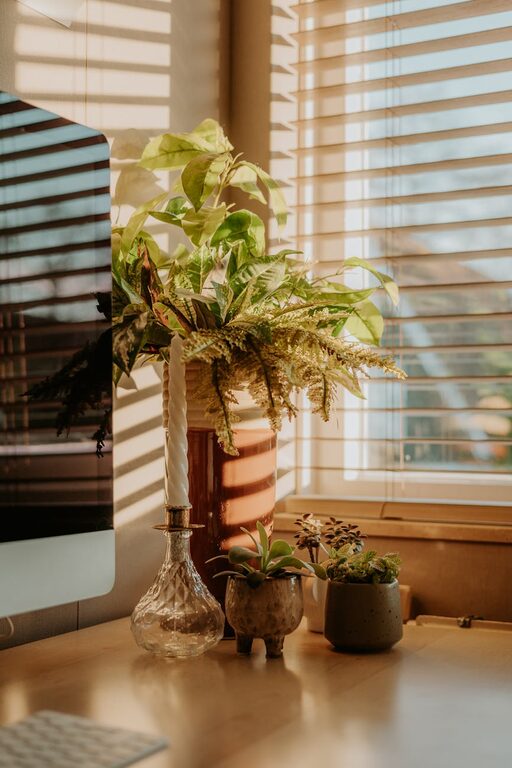
– Decorating with plants, which improve air quality and have a calming effect.
– Displaying artwork or inspiring quotes that encourage focus.
– Listening to background music or ambient sounds if it helps your concentration.
– Using color schemes that suit your working style—calming blues or energizing yellows, for example.
A workspace that feels inviting can help you stay motivated and enjoy your daily work routine.
Establish Clear Boundaries and a Routine
Creating a distinct boundary between work and home life is important for your mental well-being. To do this:
– Set consistent working hours to separate job tasks from personal time.
– Use your home office space only for work to signal when it’s time to focus.
– Take regular breaks away from your desk to stretch and refresh your mind.
– Communicate your schedule and workspace boundaries to family or housemates.
Having a routine reduces distractions and helps you stay on track with deadlines and goals.
Keep Essentials Within Reach
Design your workspace so that frequently used items are easy to access. This limits unnecessary distractions and improves workflow. Items to keep close by might include:
– Your planner or calendar.
– Writing tools like pens and sticky notes.
– A water bottle for hydration.
– Chargers, headphones, or other tech accessories.
Having everything you need nearby keeps your momentum going without interruptions.
Maintain Good Lighting and Air Quality
Proper environment conditions influence concentration and comfort.
– Position your desk near a window to maximize daylight.
– Use adjustable desk lamps with warm or neutral light.
– Ensure good ventilation to keep air fresh and reduce fatigue.
– Consider adding an air purifier if needed.
Good lighting and air quality can reduce headaches, eye strain, and tiredness, making it easier to focus.
Final Thoughts
Creating a productive home office doesn’t require a big budget or special skills. By choosing the right spot, investing in comfortable furniture, organizing your space, optimizing technology, and maintaining clear boundaries, you’ll build an environment that supports your best work. Remember to add personal touches and maintain good habits to keep your home office a place where productivity and comfort thrive.
Start with small changes and adjust as you learn what works best for you. With a little planning and attention, your home office can become a powerful space for success.