
Creating a productive home office environment is essential for anyone working remotely or managing tasks from home. A well-designed workspace helps maintain focus, reduce distractions, and foster a positive work-life balance. Whether you have a dedicated room or a small corner, these tips will guide you in setting up a home office that supports your daily workflow.
Choose the Right Location
Consider Natural Light
Selecting a spot with plenty of natural light can lift your mood and improve concentration. Try to position your desk near a window, but avoid glare directly on your screen.
Minimize Noise and Distractions
Opt for a quiet area of your home where interruptions are minimal. If background noise is unavoidable, consider noise-canceling headphones or a white noise machine to help you stay focused.
Invest in Comfortable Furniture
Ergonomic Chair
A good ergonomic chair supports your posture and reduces strain on your back and neck. Look for adjustable height and lumbar support features.
Suitable Desk
Choose a desk with enough surface area for your computer, documents, and other essentials. Adjustable desks that allow you to alternate between sitting and standing can be beneficial for your health.
Organize Your Workspace
Declutter Regularly
Keep only the essentials on your desk to avoid distractions. Use drawers or storage boxes to store supplies and paperwork.
Use Organizational Tools
Invest in shelves, file organizers, and cable management solutions to maintain a tidy workspace. Label storage areas to make finding items faster and easier.
Optimize Your Technology Setup
Reliable Internet Connection
Ensure you have a stable and fast internet connection to avoid interruptions during work calls or when accessing online resources.
Quality Hardware
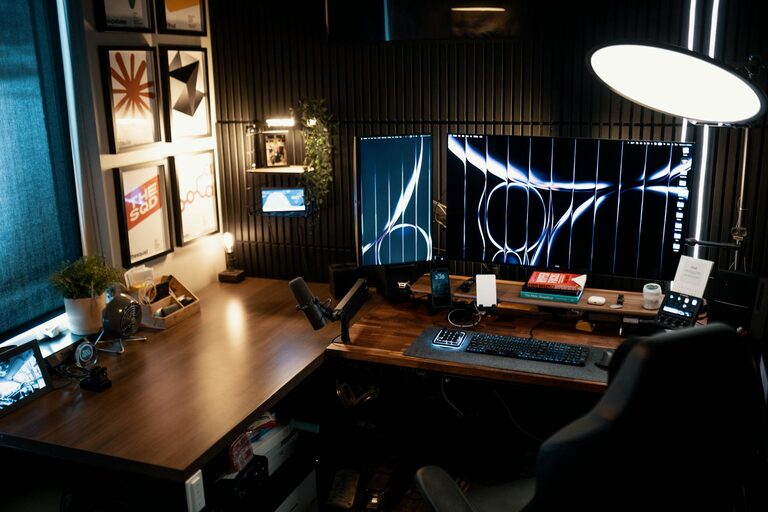
Use a good computer, monitor, keyboard, and mouse that suit your tasks. Consider dual monitors if your work requires multitasking across different windows or applications.
Proper Lighting
In the absence of sufficient natural light, invest in adjustable task lighting to prevent eye strain.
Establish Routines and Boundaries
Set Work Hours
Define your start and end times to maintain a balance between work and personal life. Stick to your schedule to create consistency.
Communicate Boundaries
Let family members or housemates know your work hours and workspace boundaries to reduce interruptions.
Add Personal Touches Wisely
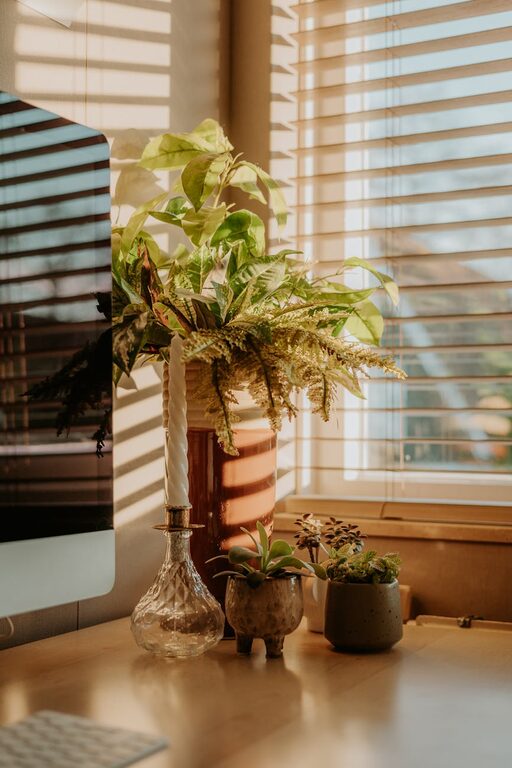
Decorating your office with plants, artwork, or meaningful objects can make the space more inviting and inspiring. However, avoid cluttering the area to maintain focus.
Promote Healthy Habits
Take Breaks
Incorporate regular breaks into your schedule to stretch, rest your eyes, and refresh your mind.
Stay Hydrated and Nourished
Keep water and healthy snacks nearby to maintain energy levels throughout the day.
Use Productivity Techniques
Try methods like time-blocking, the Pomodoro technique, or to-do lists to manage your tasks effectively and stay on track.
Final Thoughts
Designing a home office tailored to your needs can dramatically improve your work experience. By considering your workspace location, comfort, organization, and healthy habits, you’ll create an environment that supports productivity and well-being. Remember, flexibility is key—adjust your setup and routines as needed to find what works best for you.